Identify a pest

Found a critter at home? Filter by where you saw it and how it moves, then compare with the photos.

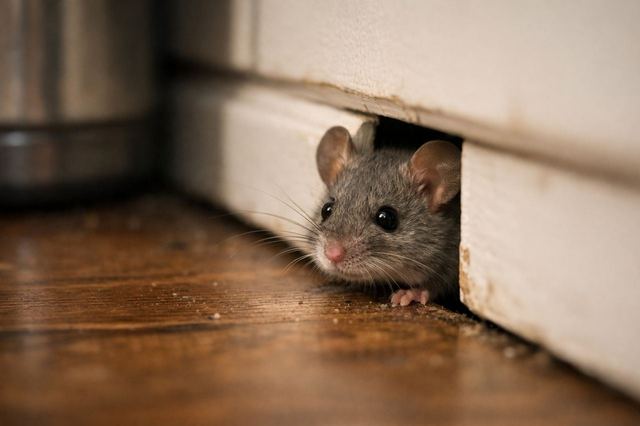
House mouseHigh risk

House mouse

KitchenBasement / wallsRodent

Size : 7–10 cm without the tail

  • Black droppings the size of a grain of rice
  • Scratching in walls or ceilings, mostly at night
  • Chewed packaging, insulation or wires
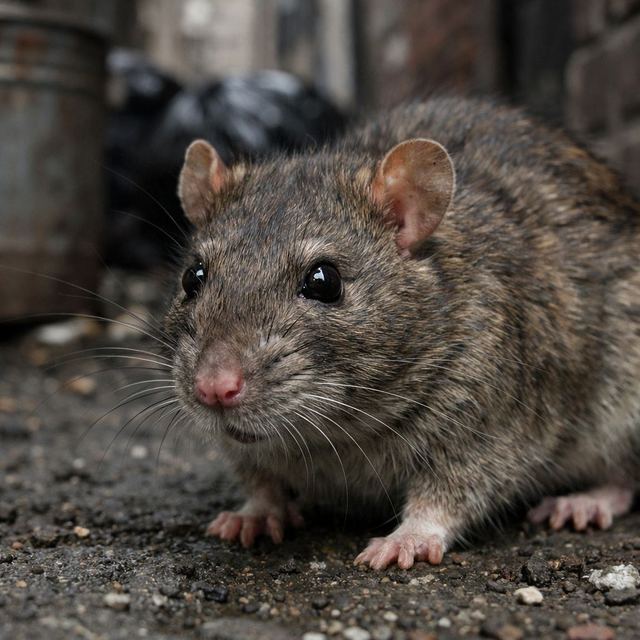
RatHigh risk

Rat

Basement / wallsOutdoors / roofRodent

Size : 20–25 cm without the tail

  • Capsule-shaped droppings, 1–2 cm long
  • Burrows near the foundation or in the yard
  • Heavier noises than a mouse
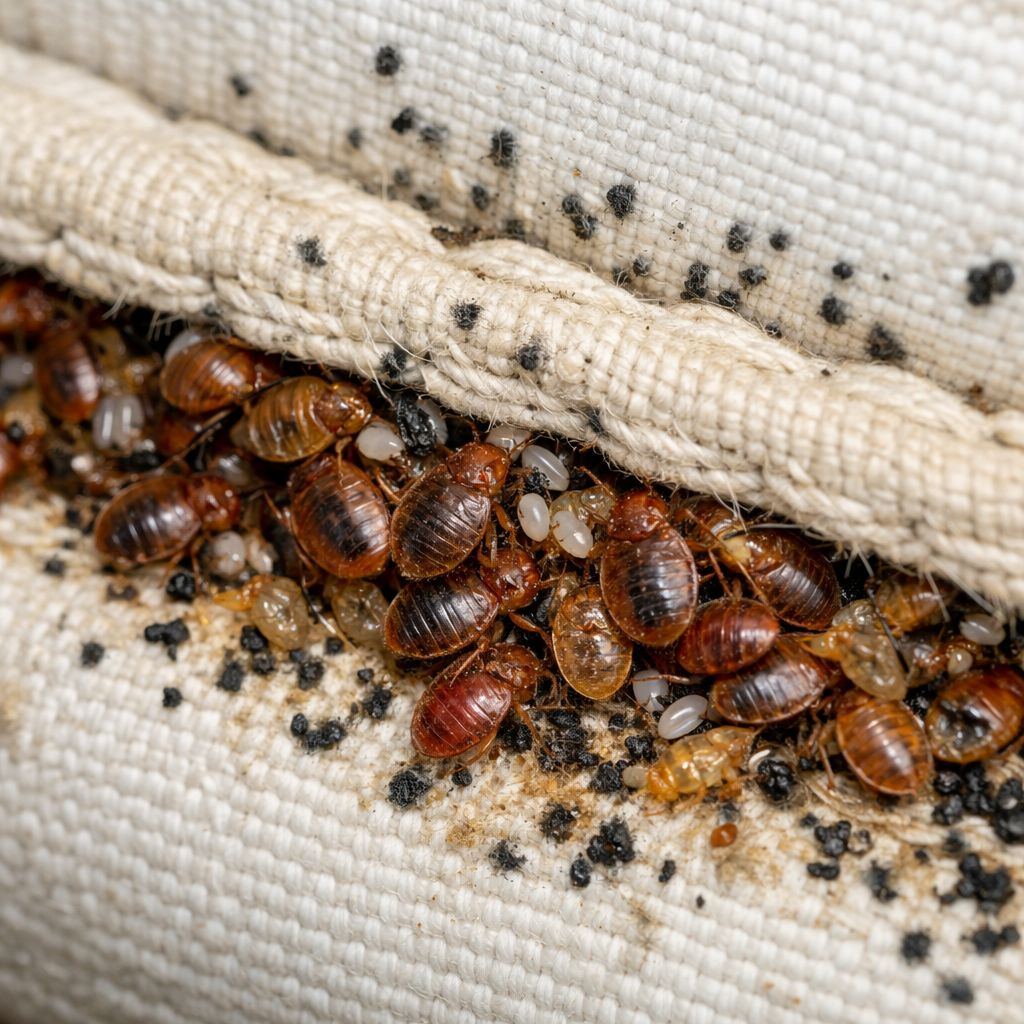
Bed bugHigh risk

Bed bug

Bedroom / bedCrawls

Size : 4–7 mm, reddish-brown and flat

  • Bites often in a line when you wake up
  • Small black or blood spots on the mattress
  • Bugs hiding in mattress seams and bed frames
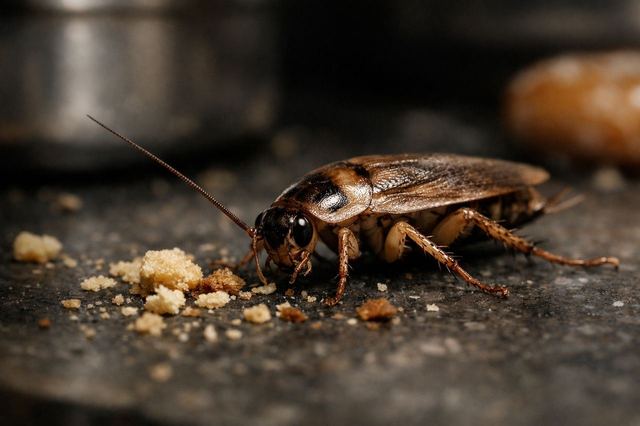
CockroachHigh risk

Cockroach

KitchenBathroomCrawls

Size : 1.2–1.6 cm for the German cockroach
  • Comes out at night and runs from light
  • Small droppings that look like ground pepper
  • Musty smell in cupboards
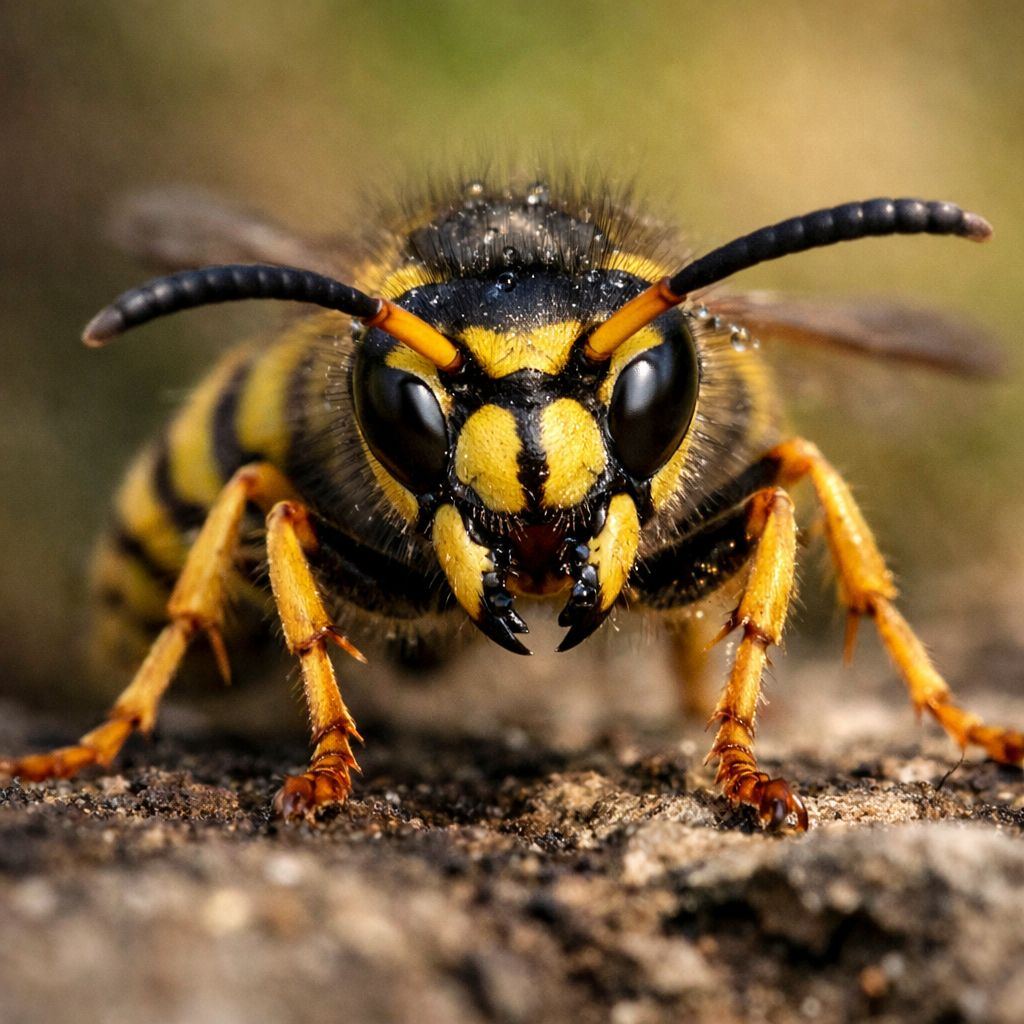
Yellow jacketHigh risk

Yellow jacket

Outdoors / roofFlies

Size : 1–1.5 cm, yellow and black stripes
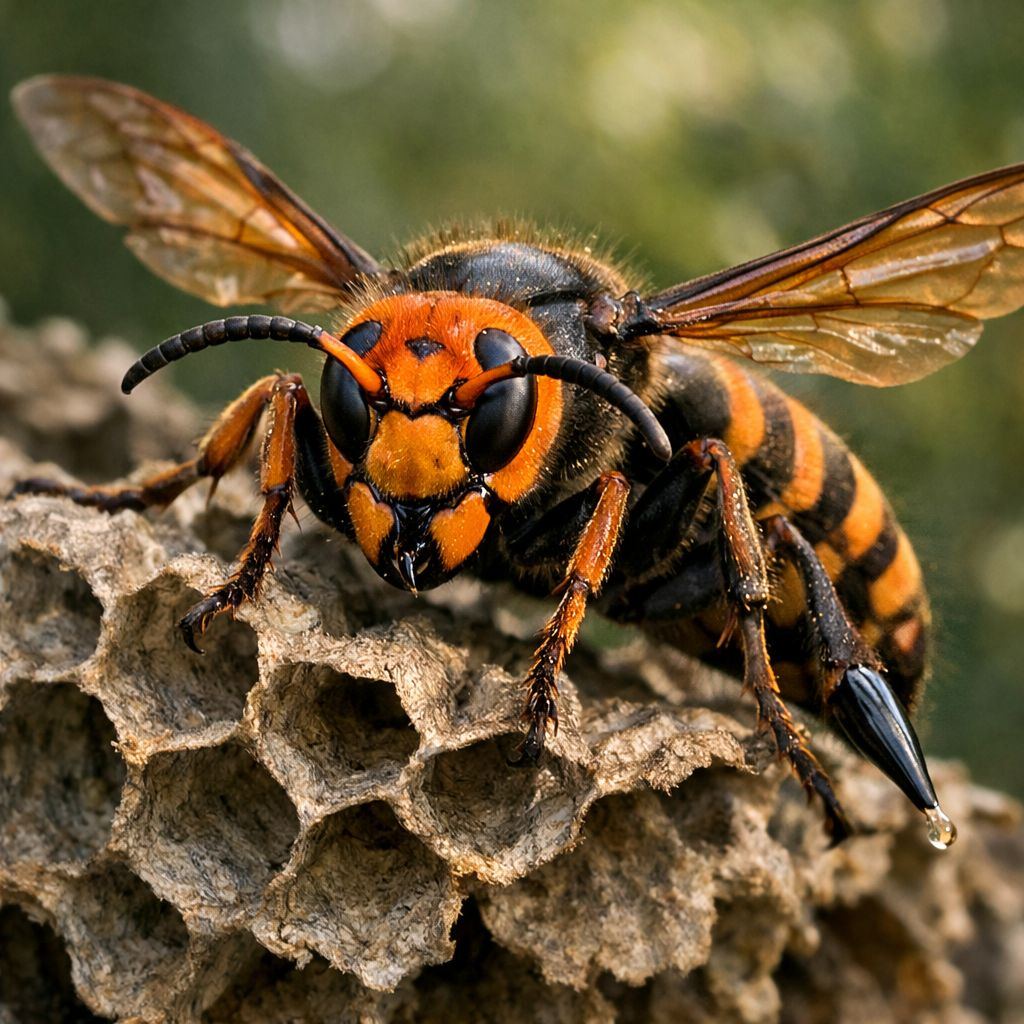
  • Constant traffic near a hole, an eave or the ground
  • Grey paper nest
  • More aggressive in late summer
HornetHigh risk

Hornet

Outdoors / roofFlies

Size : 1.5–2 cm

  • The bald-faced hornet is black and white
  • Large grey balloon-shaped nest in a tree or under an eave
  • Defends its nest fiercely: do not approach
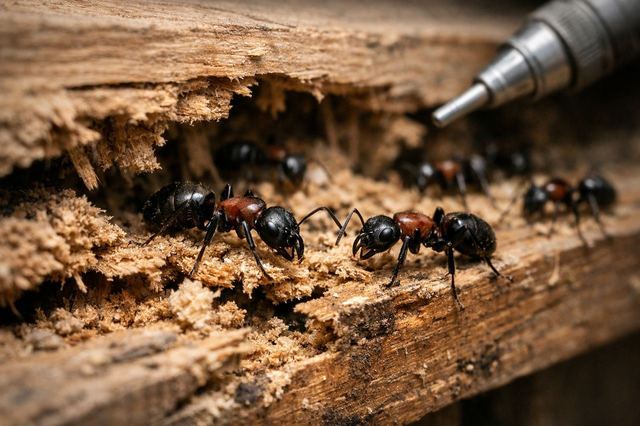
Carpenter antKeep an eye on it

Carpenter ant

KitchenBasement / wallsOutdoors / roofCrawls

Size : 6–13 mm, black

  • Small piles of sawdust near baseboards
  • Winged ants indoors in spring
  • Tunnels into damp structural wood
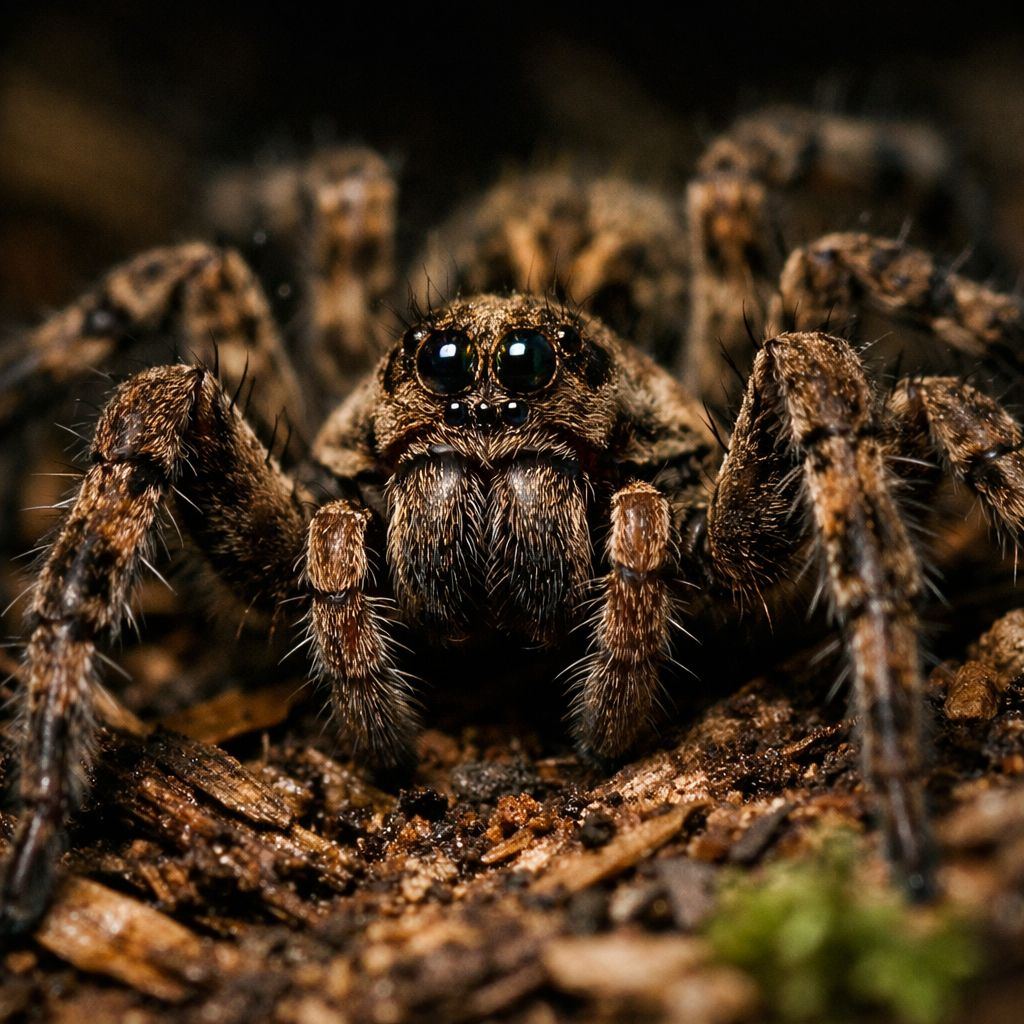
Wolf spiderLow risk

Wolf spider

Basement / wallsOutdoors / roofCrawls

Size : 1–3.5 cm, brown and hairy

  • Hunts on the ground and spins no web
  • More common in basements and garages in fall
  • Not dangerous; bites are rare
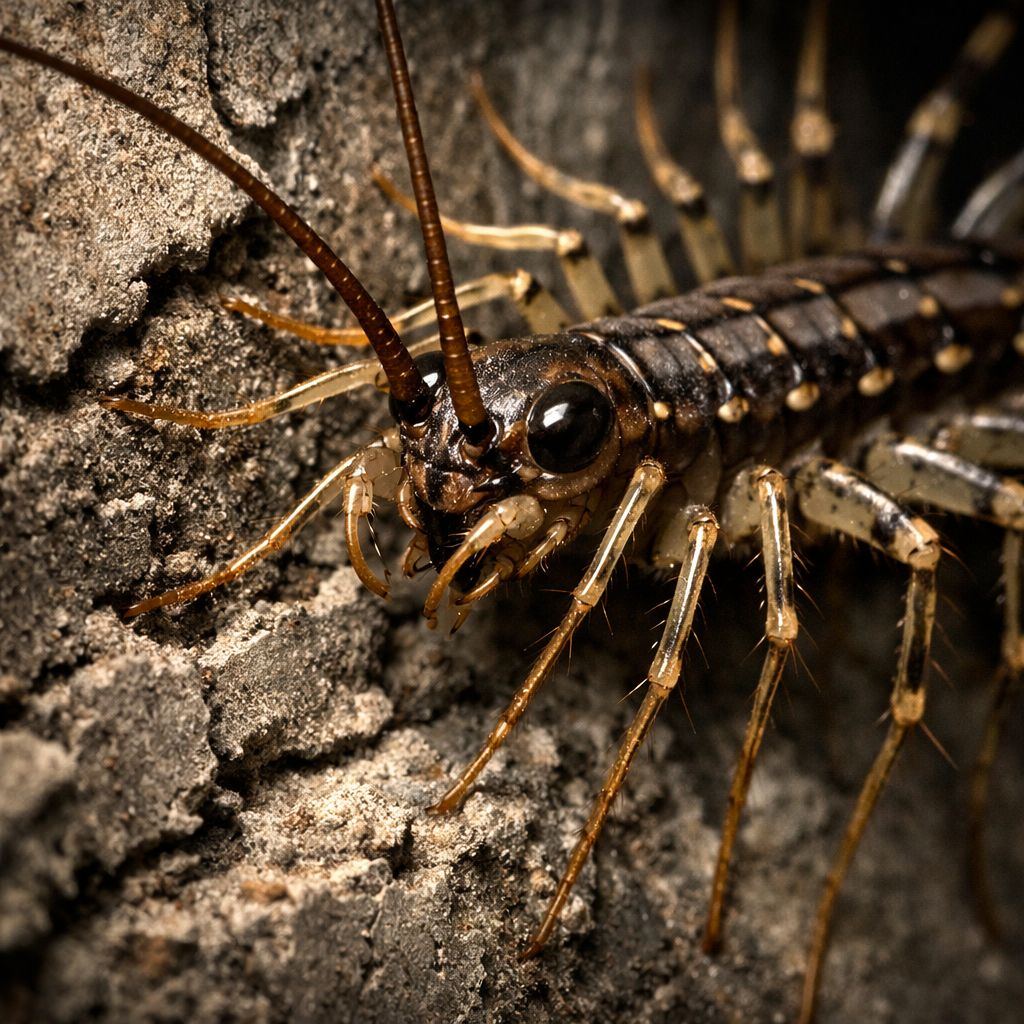
House centipedeLow risk

House centipede

Basement / wallsBathroomCrawls

Size : 2.5–4 cm, 15 pairs of long legs
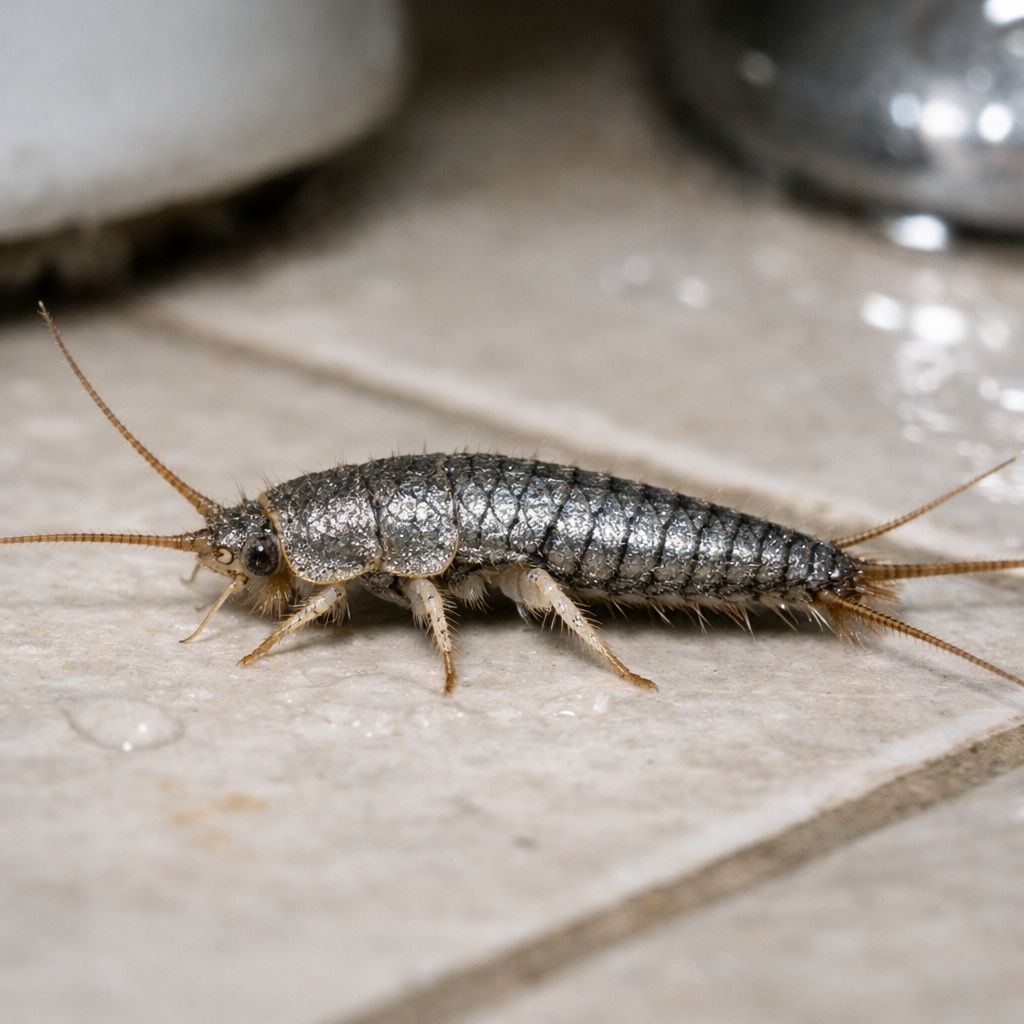
  • Very fast, mostly out at night
  • Sign of humidity and of other insects
  • Eats other insects; bites are rare
SilverfishLow risk

Silverfish

BathroomBasement / wallsCrawls

Size : 1–1.5 cm, silvery and teardrop-shaped
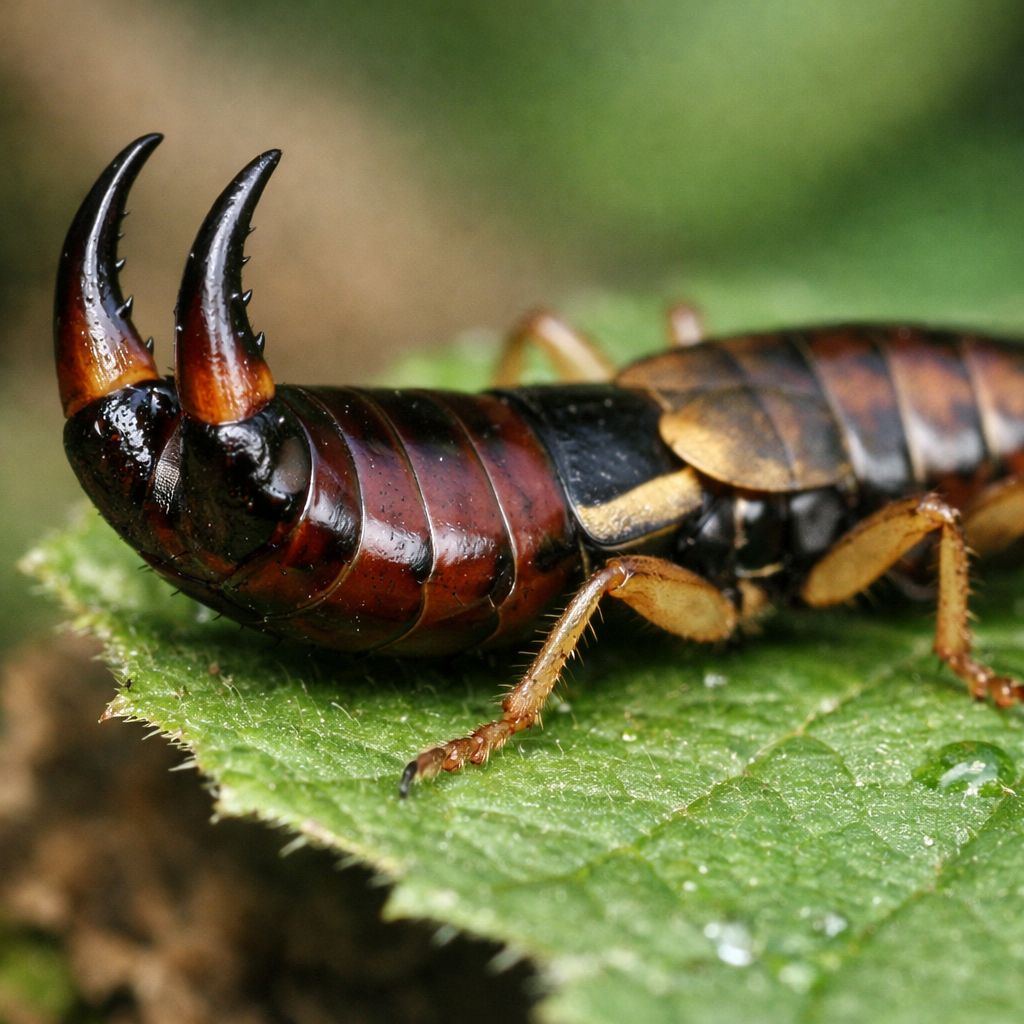
  • Likes damp, dark places
  • Nibbles paper, cardboard and glue
  • Sign of high humidity
EarwigLow risk

Earwig

Outdoors / roofBasement / wallsCrawls

Size : 1.2–2 cm, pincers at the end of the abdomen
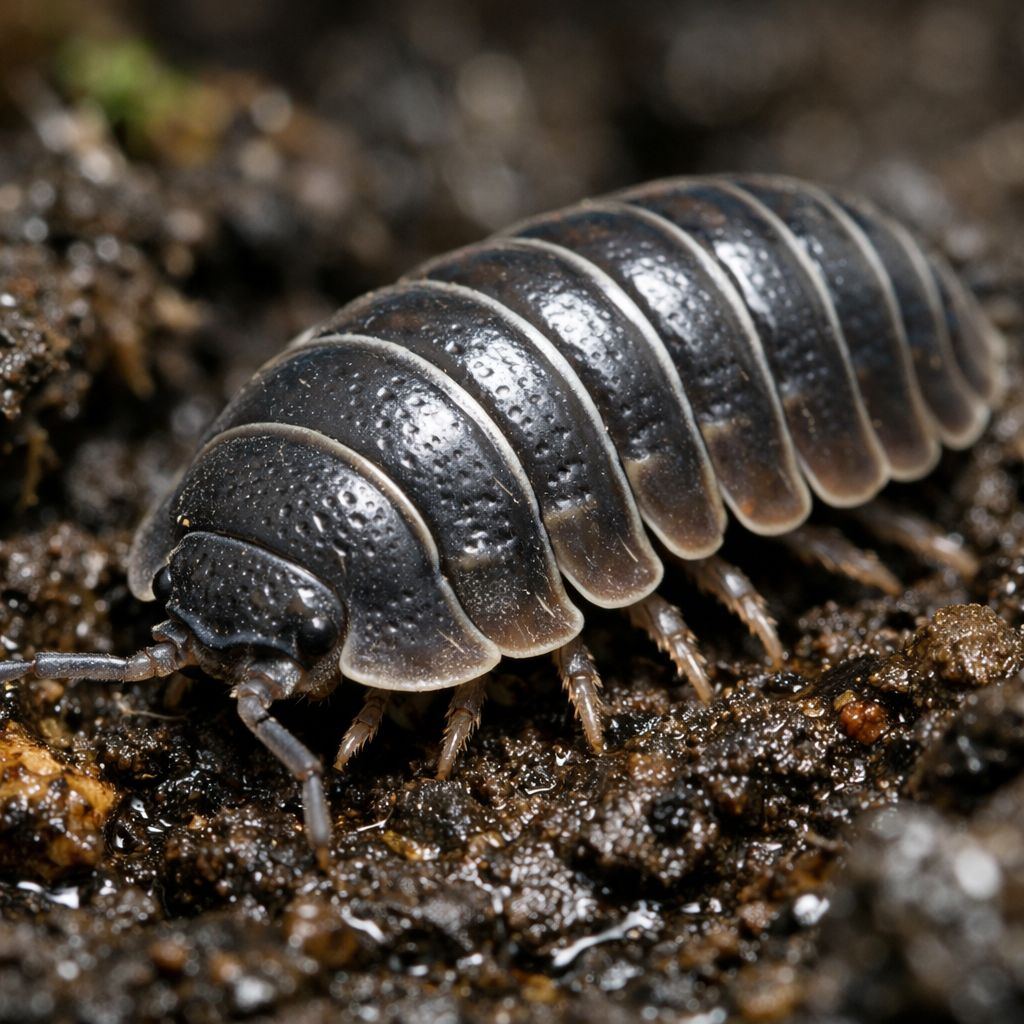
  • Gets in through patio doors and foundations in summer
  • Hides under patio cushions and plants
  • Harmless to health
Sowbug / pill bugLow risk

Sowbug / pill bug

Basement / wallsOutdoors / roofCrawls

Size : 1–1.5 cm, grey with a segmented shell
  • Some roll into a ball
  • Lives in damp areas: basements, decks, flower beds
  • Sign of water infiltration
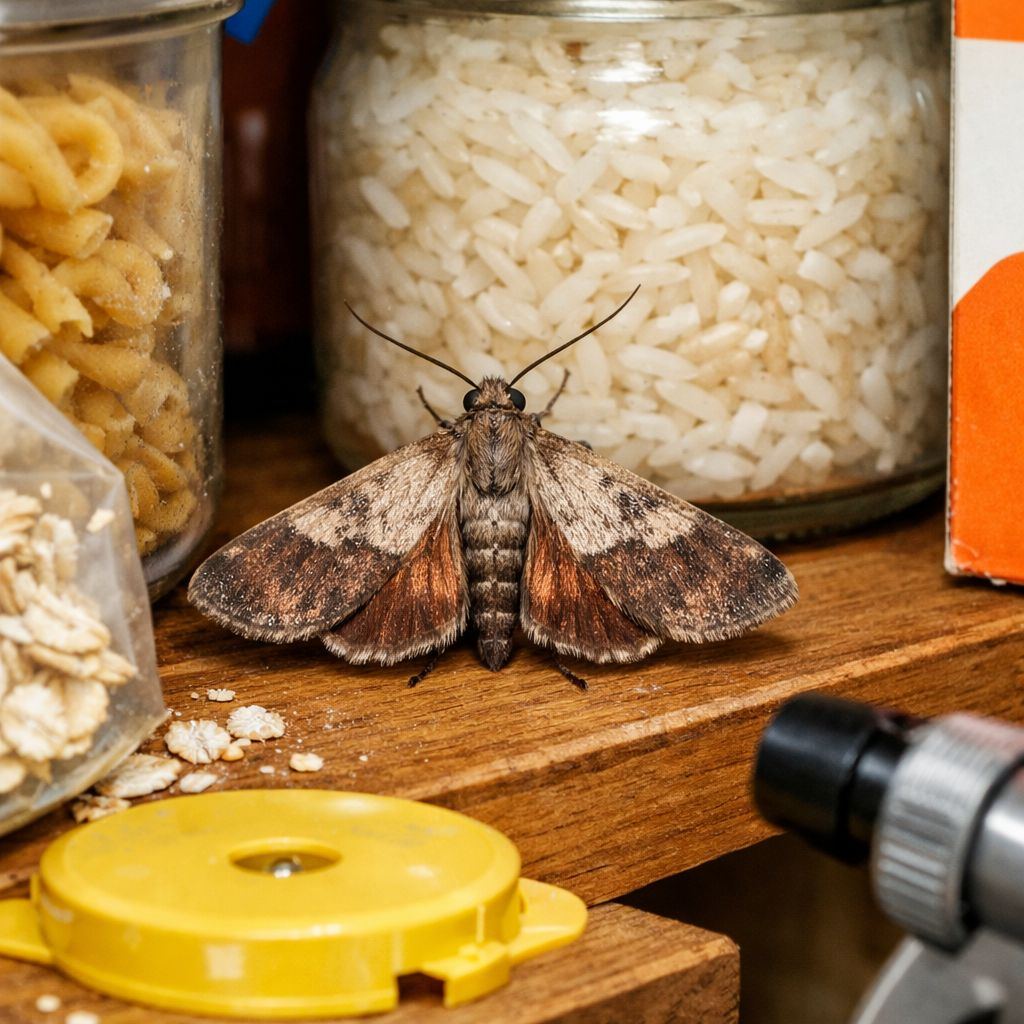
Pantry mothLow risk

Pantry moth

KitchenFlies

Size : 8–10 mm, bronze and grey wings

  • Small moths flying in the kitchen at night
  • Webbing and larvae in flour, cereal or nuts
  • Throw out infested food and clean the pantry
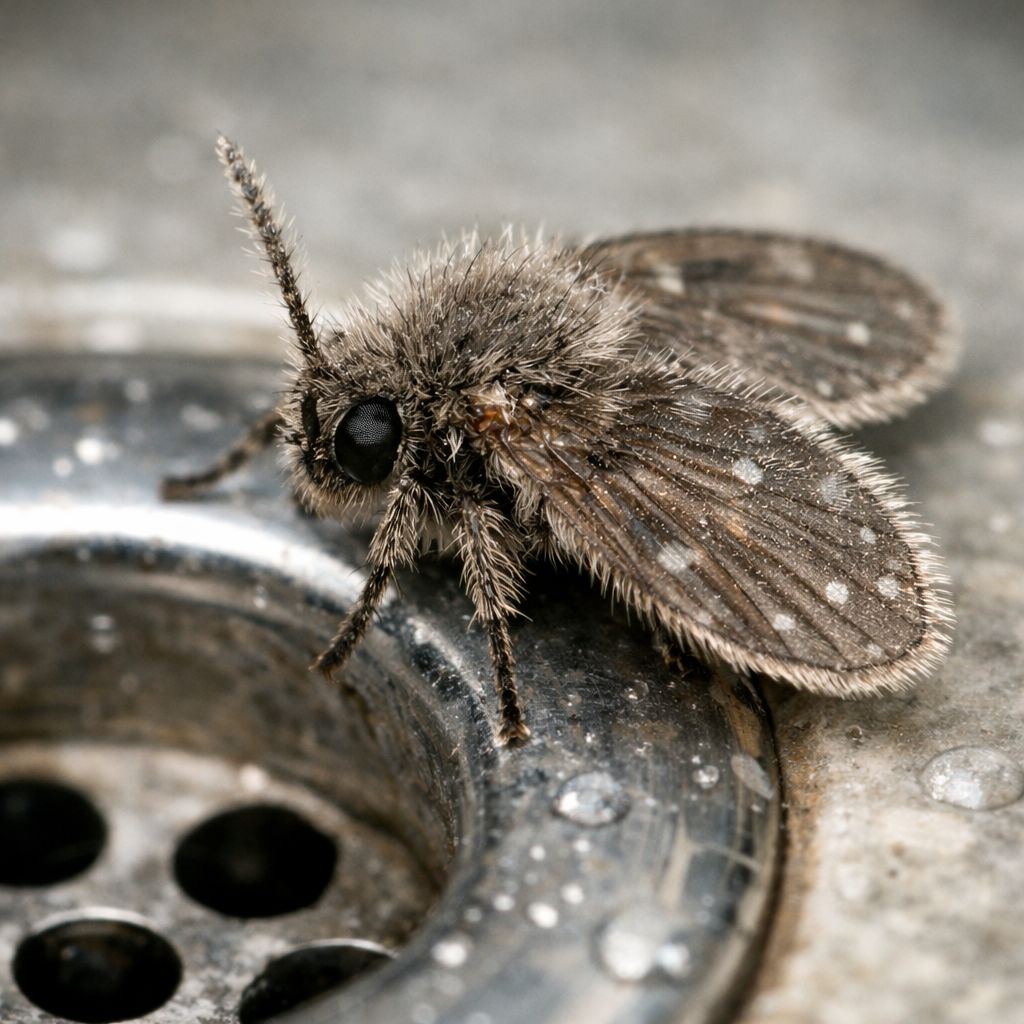
Drain flyLow risk

Drain fly

BathroomKitchenFlies

Size : 2–5 mm, fuzzy heart-shaped wings
  • Rests on walls near drains
  • Breeds in organic matter inside pipes
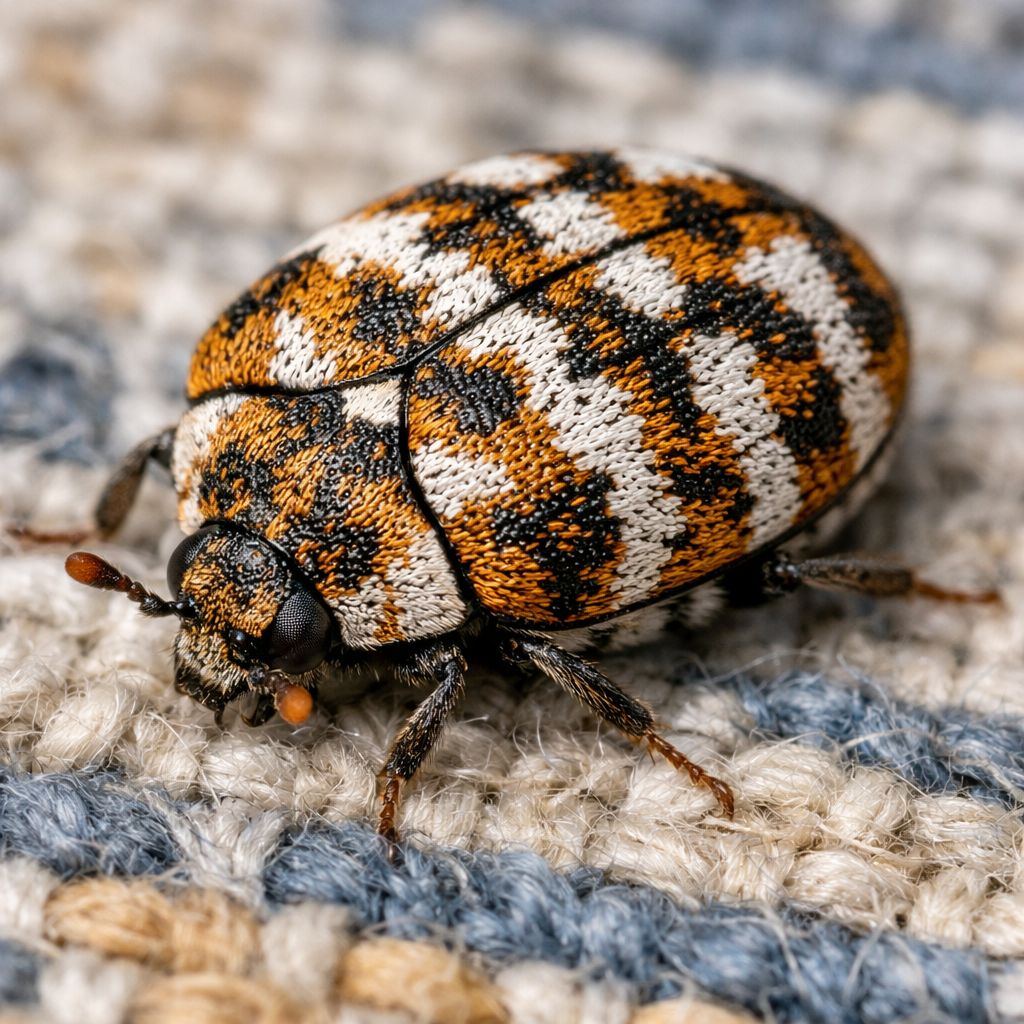
Carpet beetleKeep an eye on it

Carpet beetle

Bedroom / bedCrawls

Size : 2–4 mm, mottled like a tiny ladybug
  • Its hairy larvae damage rugs, wool and clothes
  • Adults near windows in spring
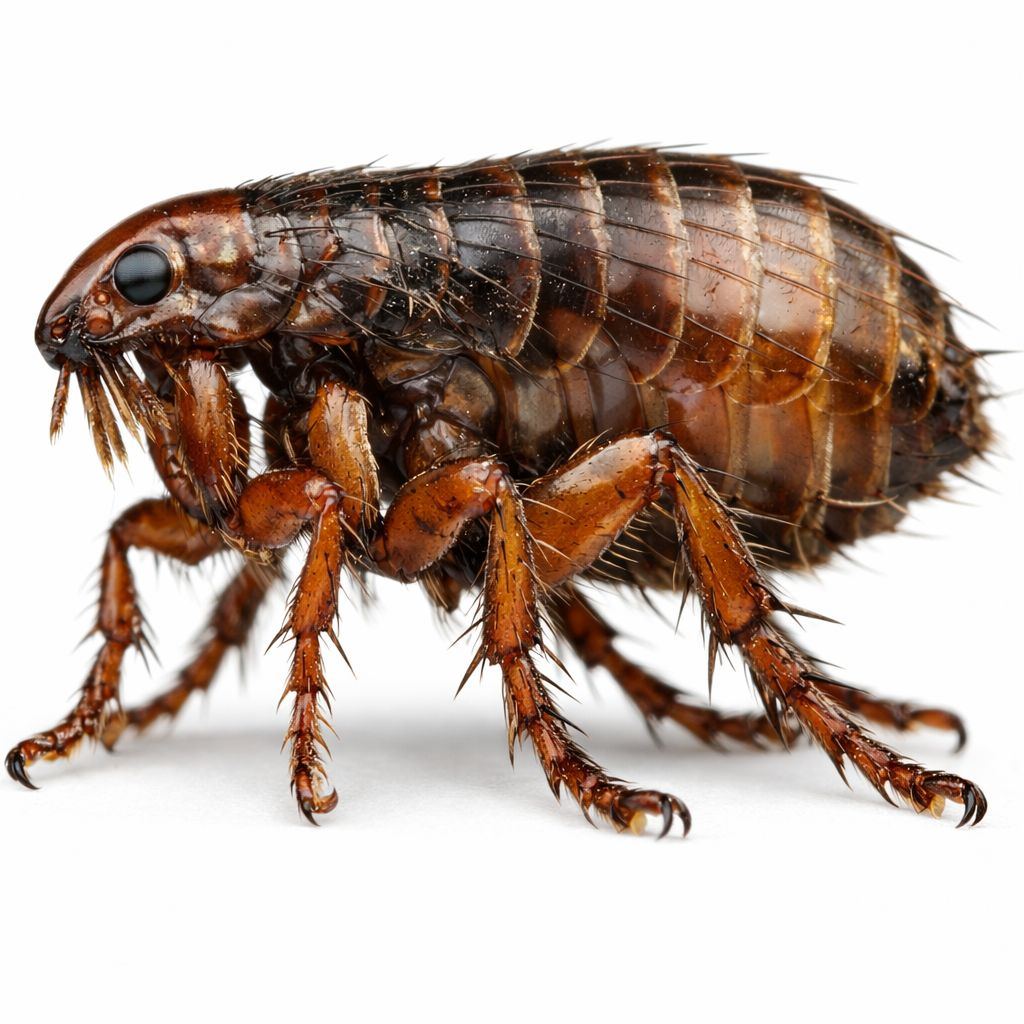
FleaKeep an eye on it

Flea

Bedroom / bedJumps

Size : 1–3 mm, jumps very high

  • Itchy bites, often around the ankles
  • A pet that scratches a lot
  • Tiny black specks in fur or bedding
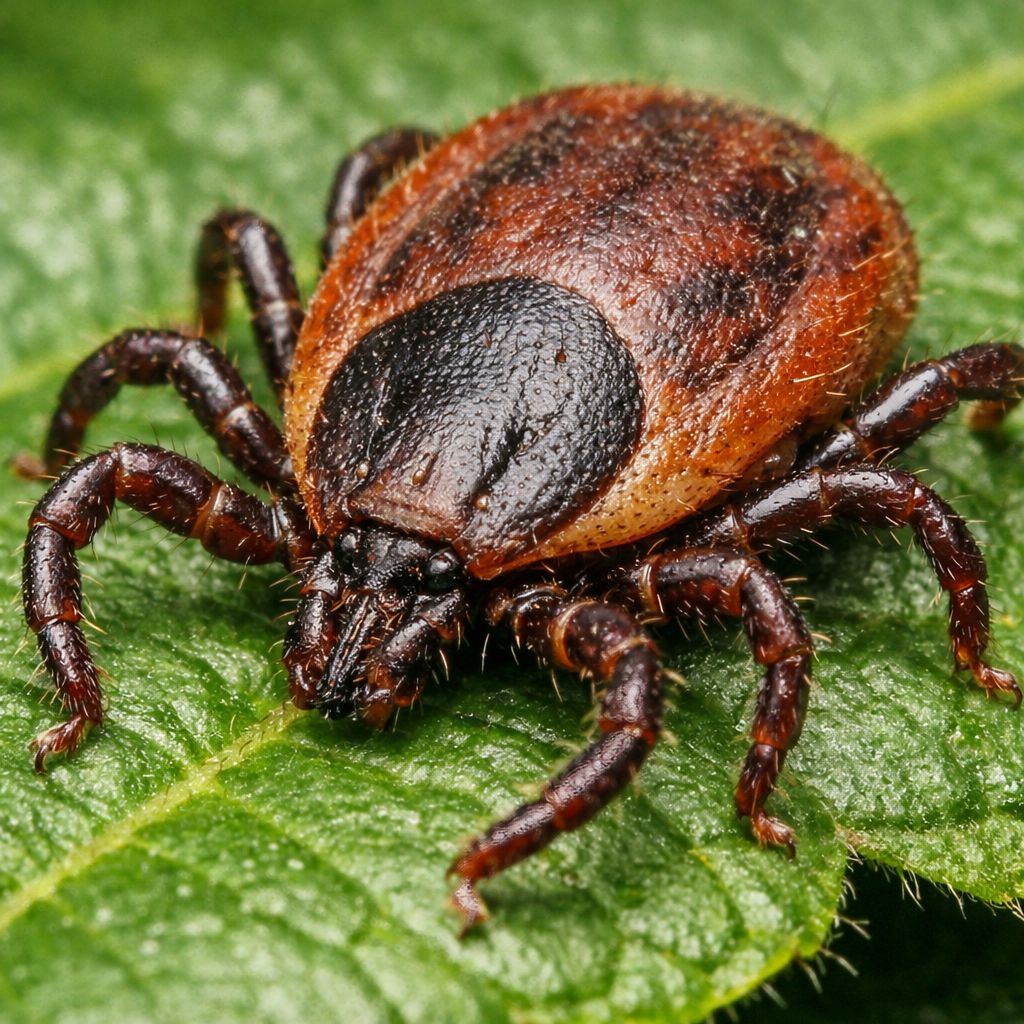
TickHigh risk

Tick

Outdoors / roofCrawls

Size : 3–5 mm unfed, swells after feeding
  • Tall grass, wooded areas and yard edges
  • Can transmit Lyme disease
  • Remove with fine tweezers, close to the skin
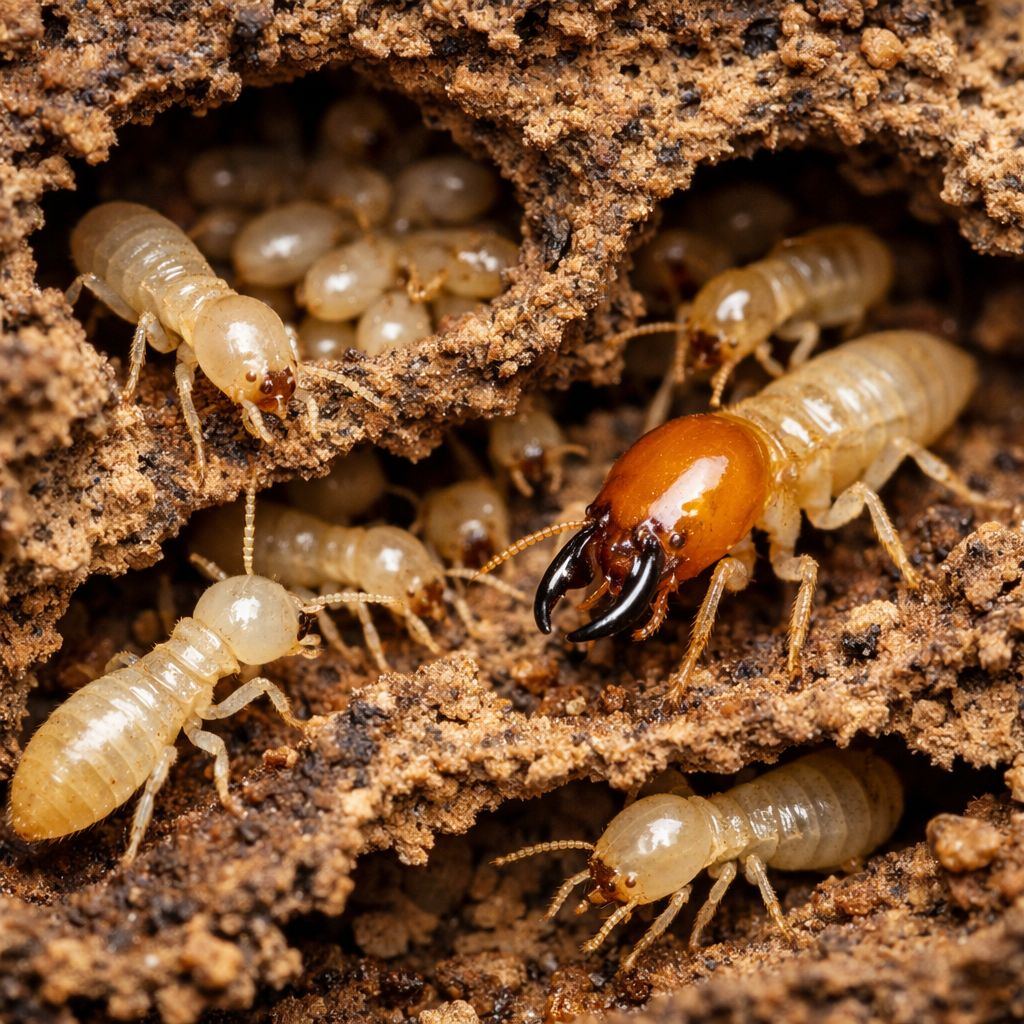
TermiteHigh risk

Termite

Basement / wallsCrawls

Size : 4–6 mm, creamy white

  • Mud tubes on the foundation
  • Wood that sounds hollow
  • Winged swarmers in spring
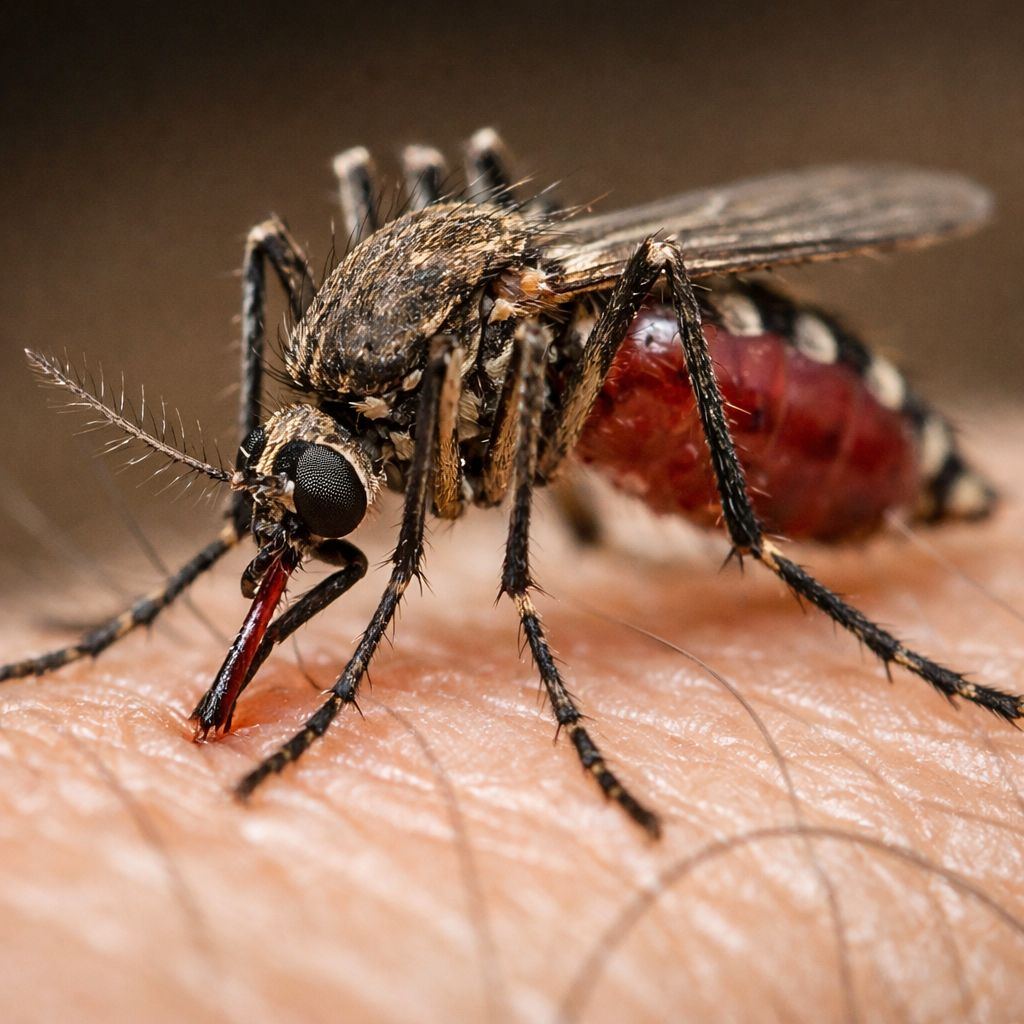
MosquitoKeep an eye on it

Mosquito

Outdoors / roofFlies

Size : 3–6 mm, long legs and a proboscis

  • Active at dawn and dusk
  • Lays eggs in standing water: saucers, gutters, neglected pools

Not sure?

Email us a photo: we'll tell you what it is and what to do, free of charge.

Call us 24/7